

Not all load cells are created equal. The highest quality ones deliver reliable data, year after year, with proper care and regular maintenance. This isn’t happenstance. It is the result of meticulous engineering and an unwavering commitment to quality at every stage of manufacturing and testing. What sets this gold standard apart? This article addresses this question to help you find the best quality strain gauge load cell.
Key Takeaways
- Key Quality Characteristics: To achieve reliability, accuracy, and longevity, load cells require meticulous planning, rigorous testing, and superior manufacturing processes.
- Spring Element Superiority: Top manufacturers use CNC machining over stamping, ensuring precise, repeatable cuts that avoid internal stresses and errors.
- Attention to Strain Gauge Detail: Proper bonding and soldering of the strain gauge are critical, with top manufacturers using clean environments and skilled technicians.
- Environmental Considerations: Quality load cell manufacturers take the extra step of temperature compensation testing. Engineers planning to use load cells in extreme conditions should acquire a device that has undergone this manufacturing step.
- The Performance Testing Distinction: Finally, testing and calibration combined with standards body certification indicate that the load cell is of high quality and meets strict performance standards.
- Research Before Buying: Ask a manufacturer about their construction and make sure they follow these quality standards if your application requires high accuracy and reliability.
Planning and Engineering: Where Crafting Quality Begins
Meticulous planning and engineering are at the heart of every load cell in a series. These steps guarantee that each unit performs consistently within very tight tolerances. Top-tier manufacturers blend well-cataloged historical designs with new application and performance criteria to craft a concept product. They leverage finite element analysis (FEA) to theoretically test these prototypes well before the production line gets going. Furthermore, they iterate these concept products when necessary to develop a first-rate final design.
Design is only part of the planning phase. Every step of manufacturing, from tooling to personnel training, demands a well-documented roadmap and readiness checklist. Quality load cell manufacturers appreciate this. They rigorously document every step and decision from concept to final test, promoting transparency and accountability. They inspect all load cell raw materials for quality, certify that all machining components are in good working order, and ensure all technicians thoroughly understand their manufacturing tasks. They address issues well before the product line ramps up.
Load Cell Component Manufacturing: A Cut Above
Machining vs Stamping the Spring Element
When it comes to load cell quality, Computer Numerical Control (CNC) machining is the choice of the best manufacturers. With top-trained technicians and well-executed programming, CNC results in precise, repeatable cuts and bores. This guarantees that every element created is virtually identical.
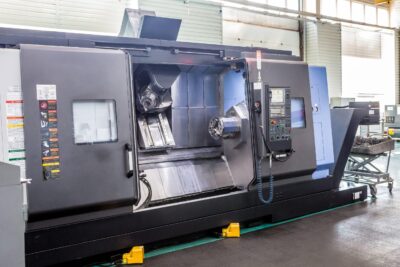
Compare this with cheaper load cells. To save time and expense, some manufacturers will stamp planar load cells instead of machining them. This leaves internal stresses that, left alone, will produce high creep and hysteresis errors. Likewise, some single-point load cells have drilled, rather than machined, central dog-bone pockets. While this saves expense, it also compromises accuracy.
The machining process creates material stress that work-hardens and distorts the metal’s internal grains. Since this compromises the sensor’s accuracy and long-term stability, high-quality manufacturers subject the load cell body to a multi-stage heat treatment process to restore and optimize its crystalline structure.
Step one is a stress-relief anneal to relax the grain structures distorted by the CNC tools. Step two is to harden and subsequently temper the load cell body at an exact temperature. This tempering phase balances the structural trade-off between hardness and brittleness, delivering the precise elasticity and fatigue resistance required for a spring element to return to a true zero balance repeatedly. Neglecting this tandem thermal cycle results in a subpar load cell prone to structural deformation, calibration drift, or catastrophic fatigue failure under continuous cyclic loading.
Engineering Note: Where cost is a concern in lower-precision applications, a stamped and drilled load cell is perfectly acceptable.
Load Cell Body Anti-Corrosion Treatments
Many load cells go to work in harsh environments that can accelerate corrosion, wear, and tear. For this reason, after correcting for machining stresses, quality load cell manufacturers apply protective surface treatments like nickel plating to the load cell body. As with all other manufacturing steps, not all surface treatments are equal, if they exist at all. Quality manufacturers use clean treatment solutions and rigorously test sample units with specialized corrosion-test equipment.
Strain Gauge Manufacturing
While the load cell body is important to quality, equal attention must be given to crafting the strain gauge itself. If not, this core transducer element will produce unreliable measurements. Its grid conductor must have a uniform cross-section throughout to avoid any effects on resistance other than the applied strain. It must also have a quality backing that allows it to experience the full strain on the load cell body. The highest quality load cells contain strain gauges that meet these criteria.
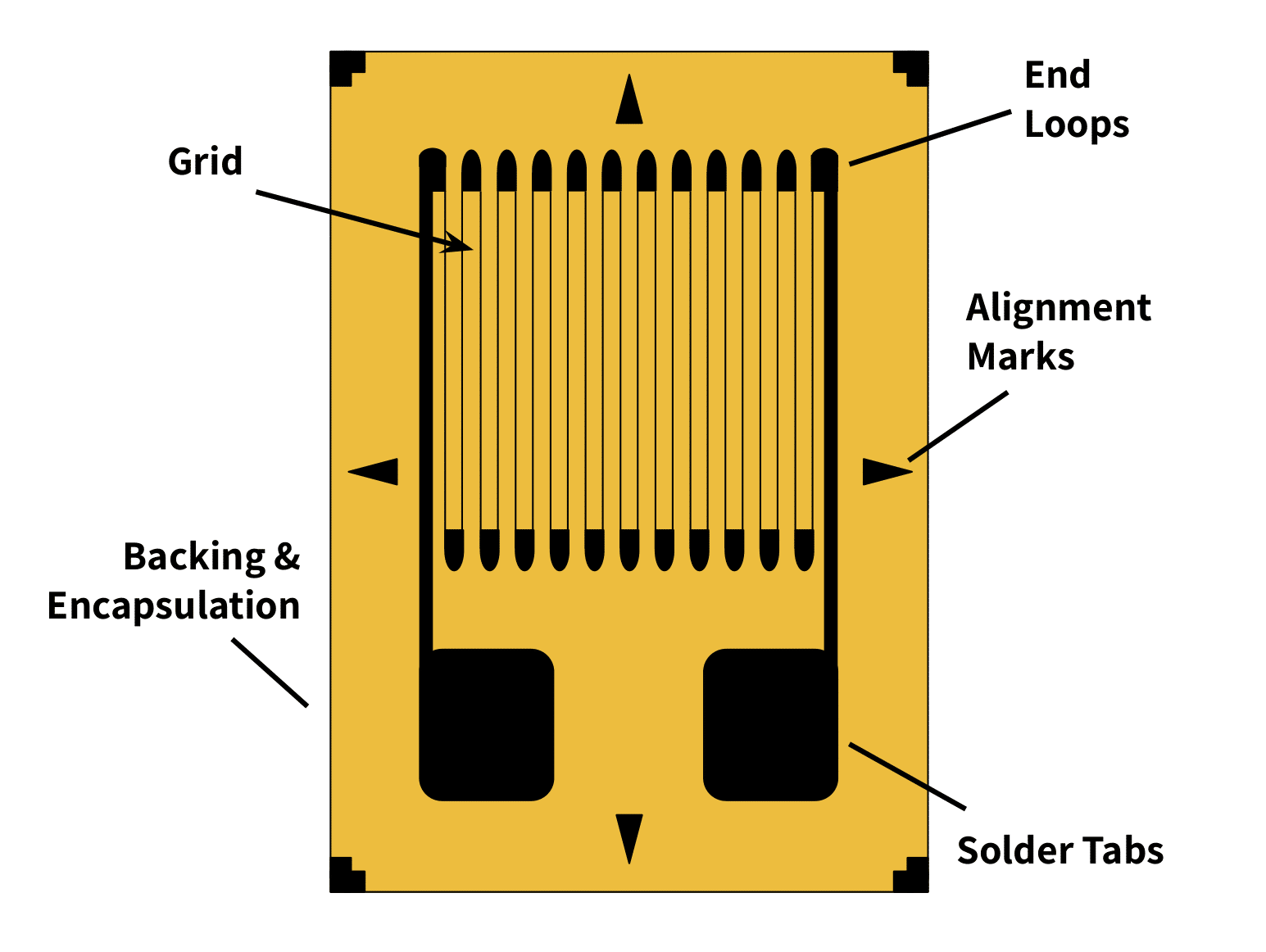
Putting it Together: Quality Strain-Gauge Bonding and Soldering
As we explained in The Versatile Strain Gauge Load Cell, the strain gauge is bonded to the load cell body at this point in the manufacturing process. This step is absolutely critical to a quality product. The best manufacturers perform this step in clean room environments to prevent contaminants from affecting the bond. Since often the gauges are intricately set with tweezers, these manufacturers have only the most skilled technicians perform this task. Likewise, the chosen bonding adhesive is vital to quality since it affects how well the load cell body and strain gauge function in unison to detect strain.
Once the strain gauges are in place, passive compensation resistors are soldered to them. These form the Wheatstone Bridge and adjust for temperature variations and other errors. Quality load cell manufacturers perform this step with repeatability, creating clean, uniform solder joints at appropriate temperatures to resist joint cracking or corrosion. Shortcuts here greatly affect the longevity of a load cell investment.
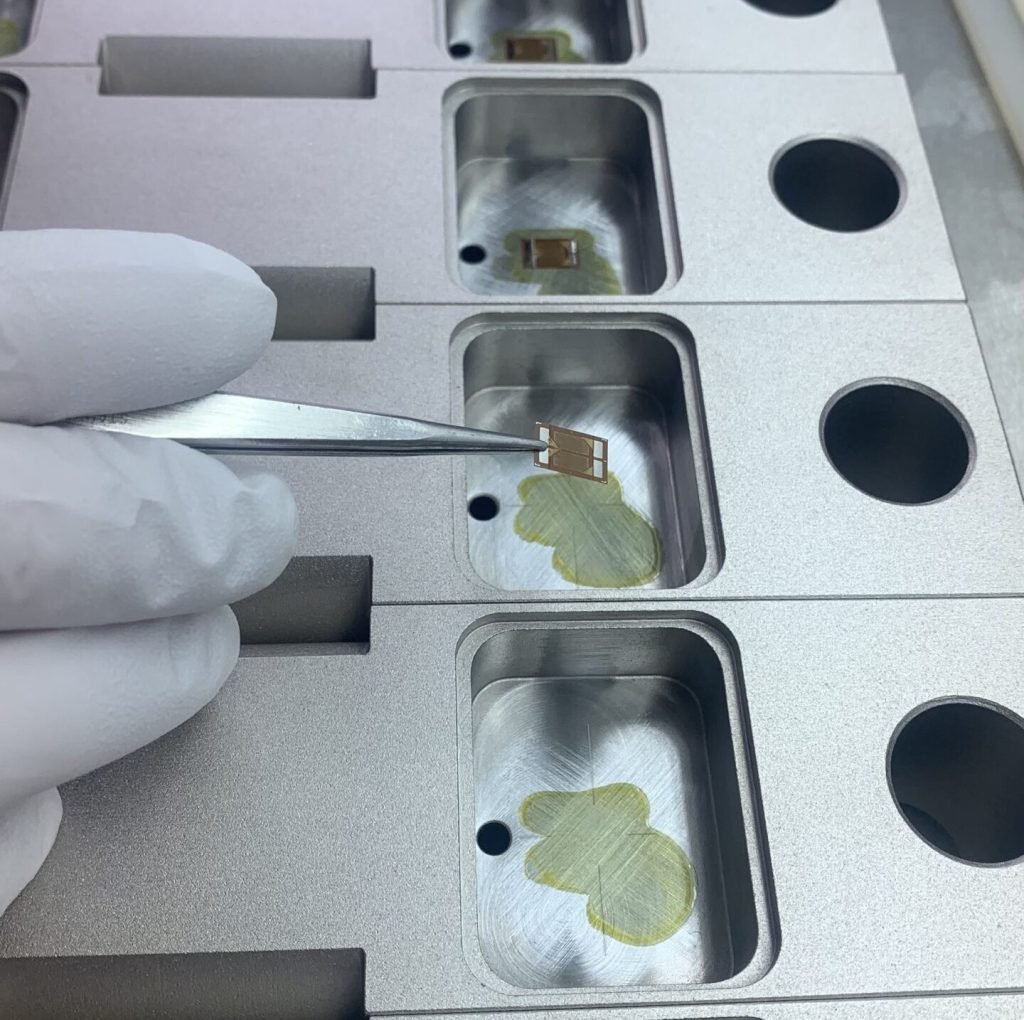
(Courtesy of ANYLOAD)
The Extra Step: Temperature Compensation
The highest quality load cells often undergo an additional step before the final sealing process to ensure they perform consistently even in extreme temperatures. This step monitors the load cell’s output during testing in specialized temperature chambers. If the load cell does not perform appropriately within its spec sheet’s temperature range, quality manufacturers will adjust the temperature compensation circuitry and retest the unit.
A weigh system designer should unequivocally verify that their chosen load cell has undergone this critical step if their system will be exposed to extreme temperatures.
Sealing the Deal: Ingress Protection
Once its manufacturing is complete, a load cell undergoes encapsulation to protect the electronics from moisture, debris, or vibration. Quality load cell manufacturers carefully pour a long-lasting potting compound into the electronics cavity that is virtually free of air bubbles since these can compromise the compound’s effectiveness. They then further seal the cavity with sealants or welds ensuring these do not leak (which could cause corrosion), nor alter the load direction through the strain gauge. Stainless steel load cells often have welded seals while alloy steel or aluminum cells typically have silicone seals.
For more on ingress protection, see our guide to IP ratings: What Does the IP Rating of a Load Cell Mean?
Quantifying Quality: Unit Testing and Calibration
What ultimately sets a quality load cell apart from a mediocre one is final testing and calibration. Every quality load cell includes a calibration certificate that details the individual properties of that specific unit. Their manufacturers also test sample units for explosion resistance, overload limits, and similar extreme conditions. Once these load cells make their way to the marketplace, consumers can be confident they’re investing in the most thoroughly tested, trustworthy, and precise product.

Taking the Guesswork Out of Finding Quality Load Cells
Since load cells of vastly different quality can look very similar, finding a quality load cell can be challenging. This is why Tacuna Systems is committed to taking the guesswork out of the buying process. Every ANYLOAD and AmCells load cell we sell adheres to the strictest manufacturing processes outlined in this article. When you buy from our shop, you can rest assured that you are getting a quality product.
Want to learn more about the load cell manufacturing process? See this article by ANYLOAD on how they build their products to the strictest standards.