
Beyond the Strain Gauge
Multi-Axis Load Cells Explained: 3-Axis (Triaxial) & 6-Axis
What is a Multi-Axis Load Cell and Why is it Useful? A multi-axis load cell simultaneously measures force components from ... Read more

How Can I Tell If a Load Cell Is a Quality One?
Not all load cells are created equal. What sets the most accurate, reliable and long-lasting apart? This article answers this question to help you find the best quality load cell.
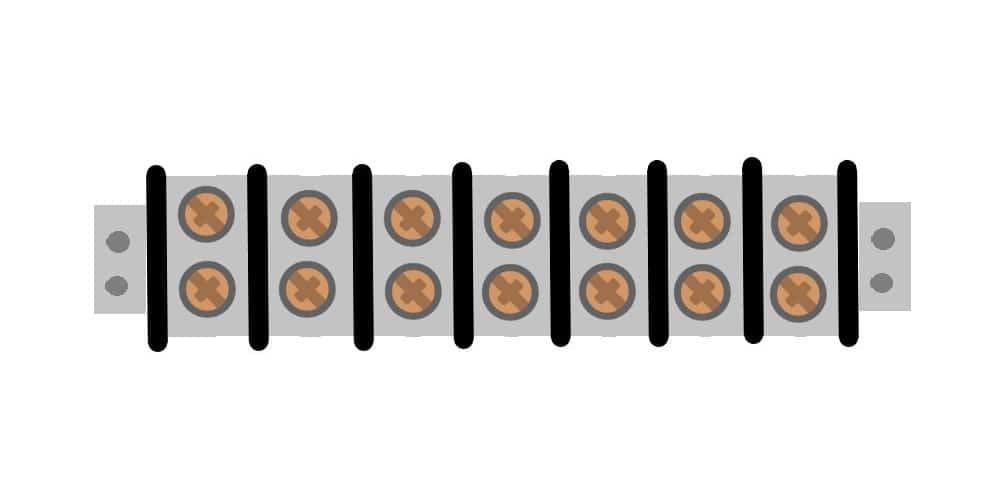
An Overview of Terminal Blocks
Terminal blocks complete circuits between two bare wire ends. Aside from safety, terminal blocks have distinct advantages when building circuits, including organization and ease of maintenance. Learn the different types here.
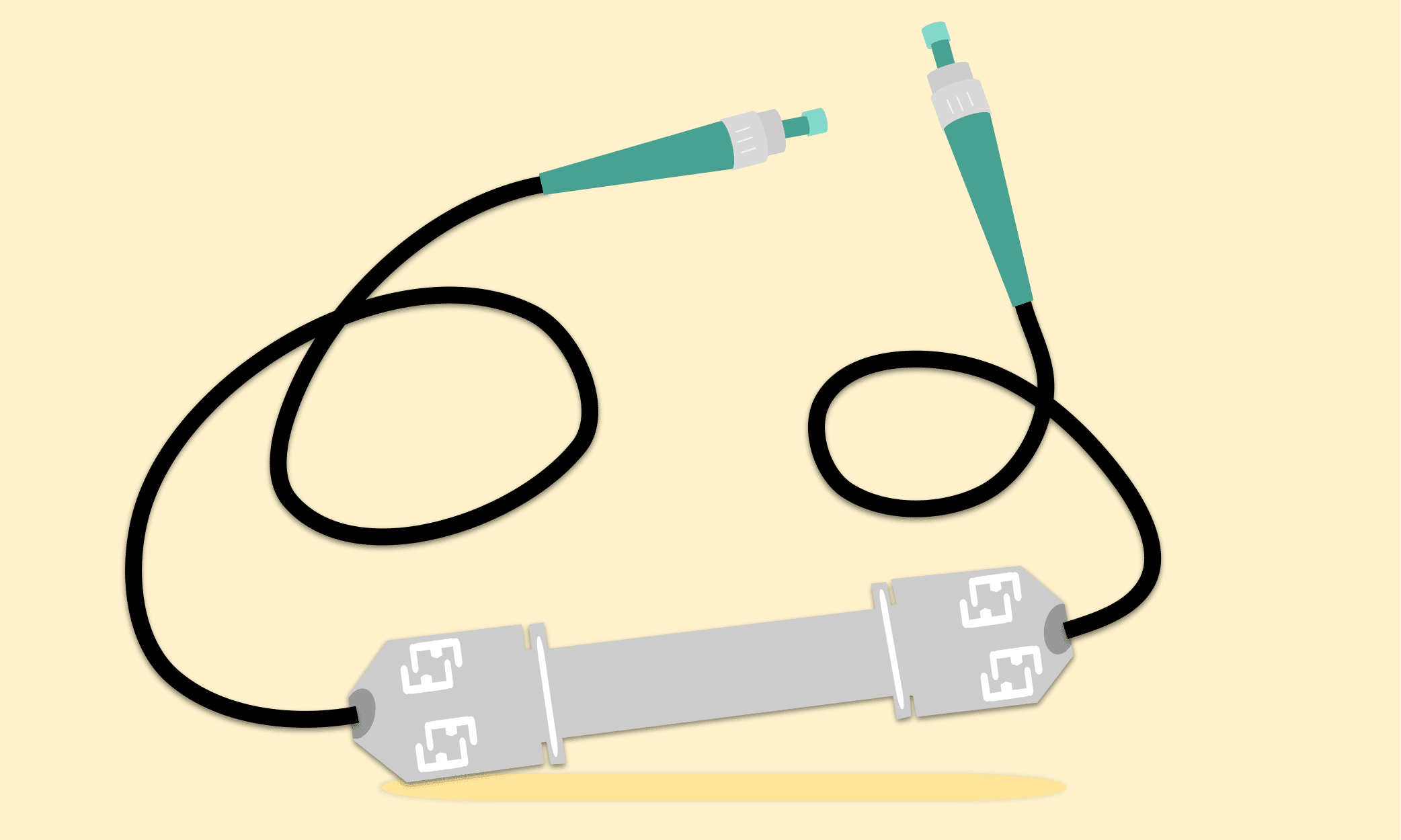
How Does an Optical Strain Gauge Work?
Understand the working principle of optical strain gauge technology and explore its advantages and disadvantages in load applications
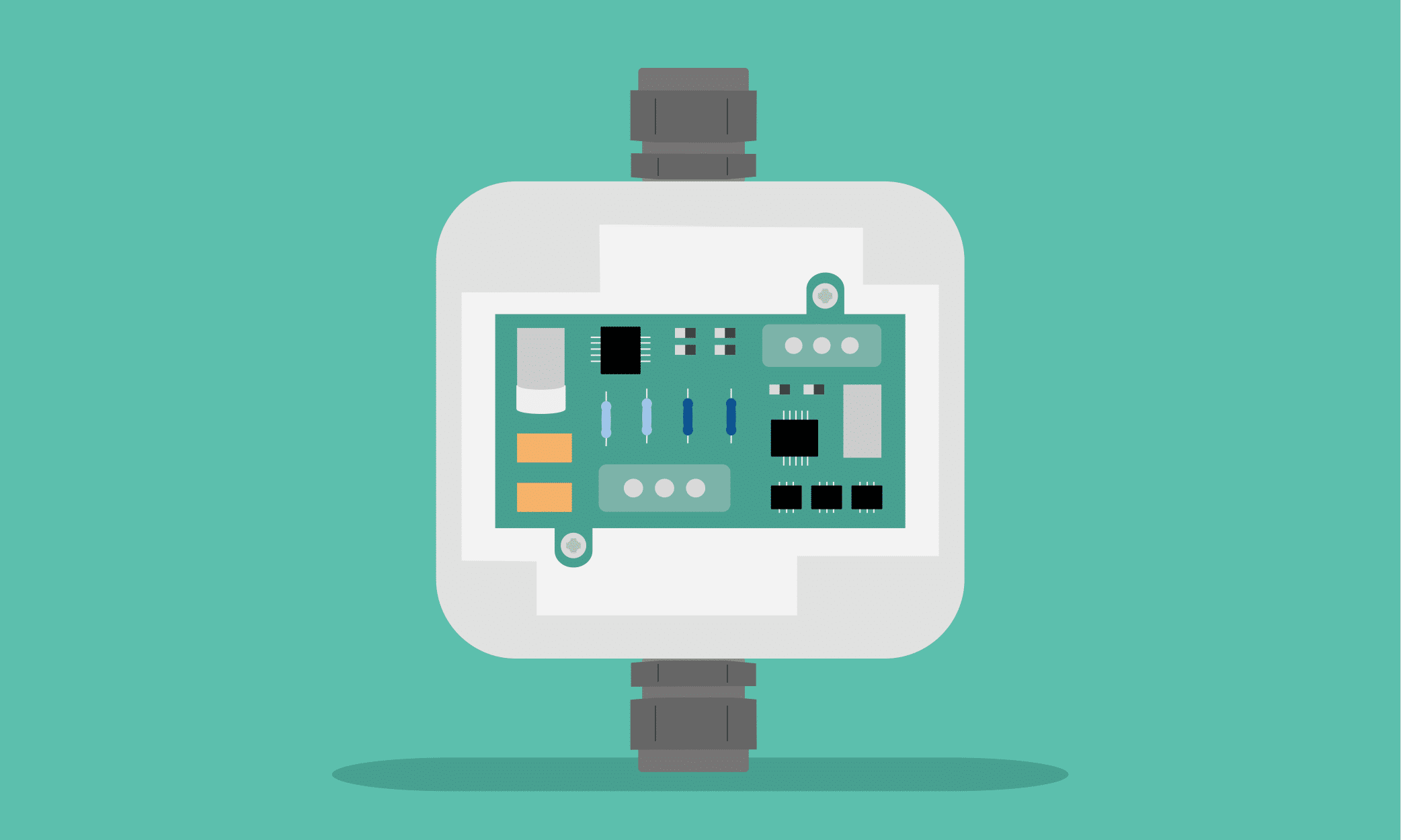
Why Do I Need a Load Cell Amplifier (and Other Signal Conditioners)?
Like other engineering breakthroughs, signal amplifiers originated from an inherent need to solve a problem—extracting accurate data from weak, often ... Read more
The Piezoelectric Effect and Its Applications
Learn what the piezoelectric effect is, which materials create it, their fabrication, and their use in piezoelectric nanomaterials (PN), energy harvesting devices, sensors, and actuators.

Measuring Force Shunts In Structural Weigh Systems
This article explains how to measure forces diverted from the desired force direction (a "force shunt"), to derive accurate force data. This is important when other methods of compensating for force shunts are impractical.
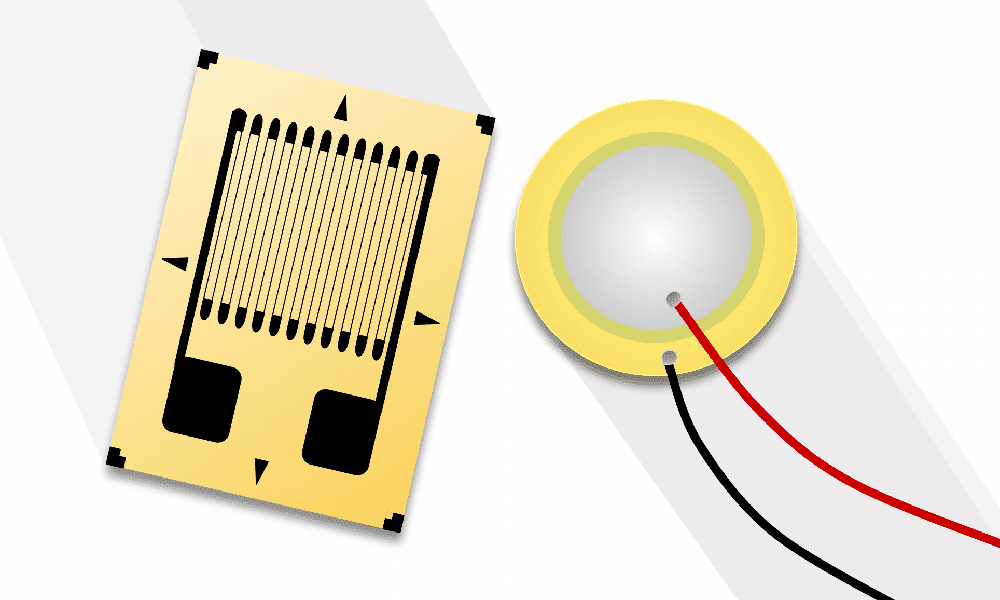
Strain Gauges vs. Piezoelectric Sensors
This article explains how strain gauge properties differ from piezoelectric sensors and how these properties make each well-suited for different applications.