
Connectivity
Building a Multi-Axis Force Measurement System: A Practical Guide
Choosing a quality multi-axis sensor that meets your specs is just the first step toward creating an accurate measuring device. ... Read more
Multi-Axis Load Cells Explained: 3-Axis (Triaxial) & 6-Axis
What is a Multi-Axis Load Cell and Why is it Useful? A multi-axis load cell simultaneously measures force components from ... Read more
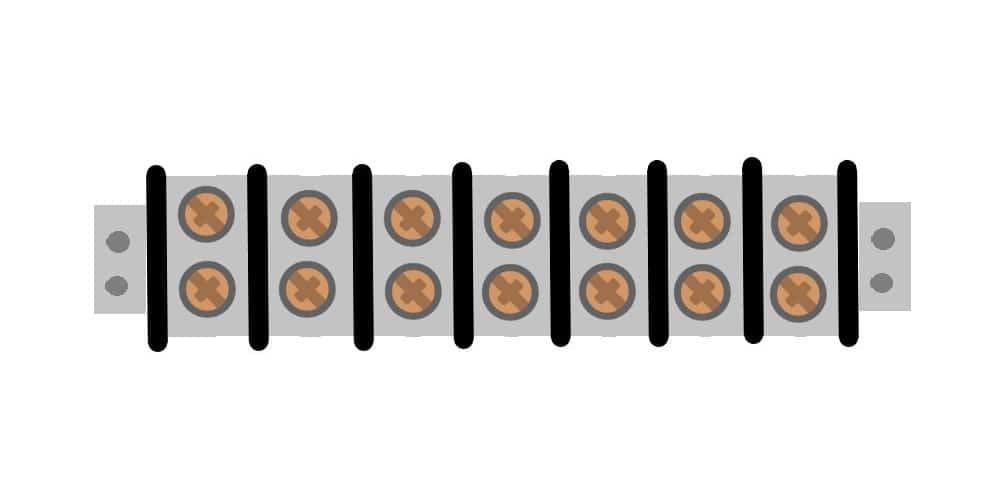
An Overview of Terminal Blocks
Terminal blocks complete circuits between two bare wire ends. Aside from safety, terminal blocks have distinct advantages when building circuits, including organization and ease of maintenance. Learn the different types here.

Load Cell Summing: Junction Boxes, Signal Trim, and Excitation Trim
Weighing systems often require multiple load cells to record accurate measurements. In this case, a junction or summing box combines signals from these distributed load cell devices. Learn here the trimming process that equalizes these multiple signals to ensure combined signal accuracy.
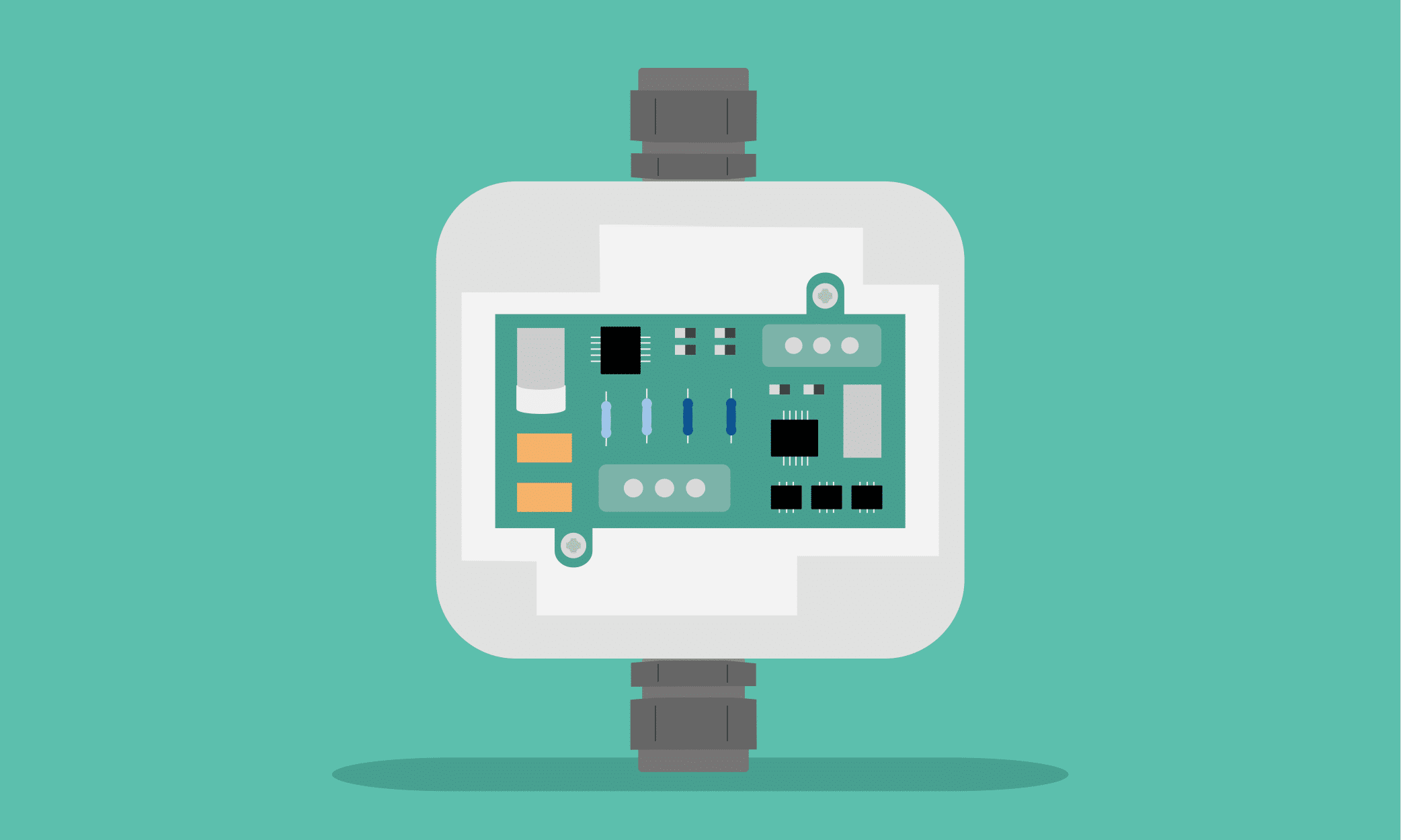
Why Do I Need a Load Cell Amplifier (and Other Signal Conditioners)?
Like other engineering breakthroughs, signal amplifiers originated from an inherent need to solve a problem—extracting accurate data from weak, often ... Read more

Advantages and Applications of Wireless Load Cells
Wireless data transmission has become standard in most technology applications today. Load cell applications are no exception. Learn about wireless load cell advantages and available solutions.

Connecting a Force Sensor to a DAQ
When connecting a force sensor and data acquisition (DAQ) system, our overview of how these subsystems work together is a good place to start.

External Wiring in Strain Gauge Load Cells
What is the difference between a four-wire and six-wire load cell? Find out the answer to this and other load cell cabling questions here.