Multi-Axis
Multi-axis load cells measure force along the X, Y, and Z axes (Fx, Fy, Fz) simultaneously so that a single sensor captures both the size and the direction of a load. They are also called 3-axis or triaxial load cells.
Where Multi-Axis Sensors Are Used
Use a multi-axis sensor anywhere side, shear, and normal forces occur together: robotics, machine-tool instrumentation, materials and tribology testing, test benches, and research. A common setup mounts the sensor at a robot’s end effector to measure the reaction forces on the arm or gripper directly. For details, see Building a Multi-Axis Force Measurement System.
Our 3-Axis Sensors
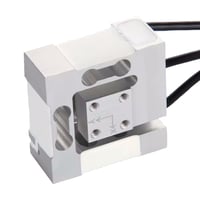
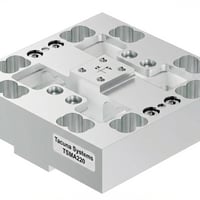
Tacuna Systems offers two 3-axis sensors. The TSMA110 (100 to 1000 N, aluminum) suits precise, lower-capacity work. The TSMA220 (2000 N and 5000 N, IP65-rated aluminum) handles higher-capacity test benches and machine-tool setups.
Each axis generates its own output, so pair one EMBSGB200 amplifier with each axis (three amplifiers per one load cell). To learn more about how these sensors compare, see 3-axis, triaxial, and 6-axis sensors explained.
Ordering through our online store is simple, fast, and secure. For help choosing the right multi-axis load cell, please contact us.